







A Detailed Breakdown of the House Judiciary Committee Hearing
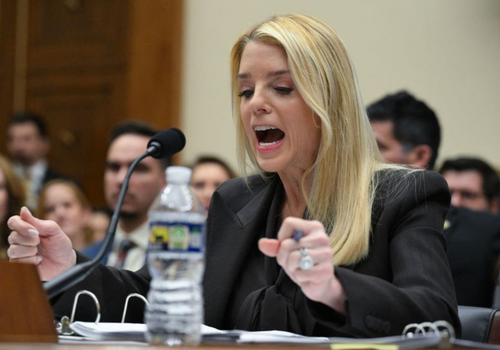
The appearance of Attorney General Pam Bondi before the House Judiciary Committee on Wednesday, February 12, 2026, was not merely a routine oversight hearing; it was a political spectacle and arguably the most tense and confrontational testimony delivered by a Trump Cabinet official to date. Bondi navigated a minefield of controversy as she faced the committee amidst a challenging period for the Department of Justice and the administration, grappling with highly sensitive issues that have eroded public trust. These included the botched handling and un-redaction of the Jeffrey Epstein files, the damaging revelation of a failed, politically motivated attempt to indict six Democratic lawmakers, and the controversial police killings of two protesters, Alex Pretti and Renee Good, by federal officers in Minneapolis. The hearing’s key moments provide a clear picture of Bondi’s high-risk, high-reward defensive strategy.
—–1. A Combative, Yet Risky, Strategy on the Epstein Files
From the outset, Bondi adopted an aggressively combative stance, particularly concerning the DOJ’s disastrous handling of the Jeffrey Epstein files. This issue quickly became the central flashpoint of the hearing.


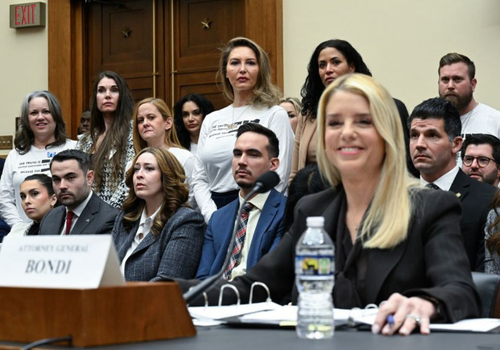
- Refusal to Apologize: Democratic Rep. Pramila Jayapal initiated the confrontation by drawing attention to the Jeffrey Epstein survivors present in the audience. She delivered a direct, emotionally charged question, asking Bondi to apologize for the DOJ’s failure to adequately redact the survivors’ sensitive personal information—a failure that caused immense pain and a significant breach of privacy. Instead of offering contrition, Bondi immediately deflected, choosing to criticize her predecessor, Merrick Garland, for alleged past shortcomings. This exchange was a defining moment, signaling Bondi’s preference for confrontation and political point-scoring over any form of empathy or apology, even when faced with deeply sympathetic figures.
- Contempt for Interrogators: The strategy quickly devolved into a series of shouting matches. Bondi repeatedly and aggressively refused pleas from Democrats to directly address the survivors and actively avoided substantive questions on the Epstein matter. Her confrontational behavior included targeted personal attacks, such as labeling one Democratic representative a “washed-up, loser lawyer,” and berating another for “attacking the greatest president in American history,” Donald J. Trump.
- Chairman’s Intervention: The escalating hostility forced the Republican Judiciary Committee Chairman, Jim Jordan, to intervene multiple times. Jordan was compelled to repeatedly remind Bondi to respect the members’ time and the decorum of the House.
- Playing to the “Audience of One”: This highly aggressive approach, while potentially intended to appeal to President Trump—often referred to as the “audience of one”—carried significant political risk. Recent polls indicated overwhelming public disapproval of the administration’s handling of the Epstein files. Bondi’s dismissive and hostile demeanor risked making the administration appear unconcerned and indifferent to a very serious issue of justice and accountability.
—–2. Massie Effectively Cornered Bondi on Transparency
Bondi’s combative style was not only deployed against Democrats. Still, it was also severely tested by a prominent member of her own party, Republican Rep. Thomas Massie, who had been the lead Republican pushing for transparency regarding the Epstein files.



- The Wexner Name: Massie methodically focused on the administration’s errant redaction of the names of certain men—including billionaire Les Wexner—who law enforcement had at one point suspected of criminal activity with Epstein.
- Dismissing Deflection: When Bondi attempted to argue that Wexner’s name appeared elsewhere in the public record, Massie swiftly dismissed the claim as a “red herring” designed to muddy the waters.
- The Takedown Moment: Bondi then claimed the administration un-redacted Wexner’s name “within 40 minutes” of realizing the error. Massie seized the opportunity for a cutting correction: “Within 40 minutes of me catching you red-handed.” The exchange culminated with Bondi calling Massie a “failed politician” and a “hypocrite.” Despite the personal attacks, Massie’s focused, factual questioning delivered a significant blow to the Attorney General’s credibility on the issue of transparency.
—–3. A Rare, Fleeting Moment of Bipartisan Unity
Amidst the toxicity, a brief and unexpected respite occurred when Democratic Rep. Eric Swalwell shifted the focus to the threats he and his family have faced.
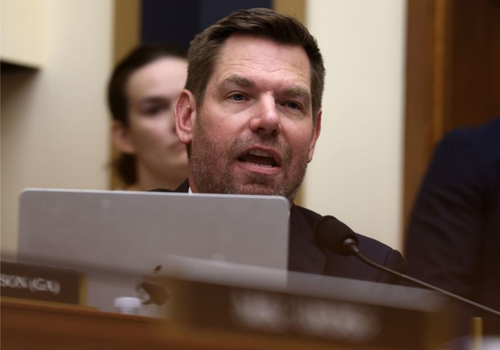
- Plea for Protection: Swalwell implored Bondi for “help to protect life,” asking if the ongoing DOJ investigations into the threats were active.
- A Promise of Comity: Bondi responded with a rare display of non-partisanship, assuring him that the investigations were ongoing and emphatically stating, “None of you should be threatened ever… and I will work with you.” This exchange underscored the often-unspoken shared issue of political violence impacting lawmakers on both sides of the aisle, creating a momentary, genuine connection of bipartisan concern before the hostilities resumed.
—–4. Bondi Fails to Deflect from Administration Problems
Congressional hearings are often structured to allow the witnesses’ allies to use their allotted time to steer the discussion toward topics favorable to the administration. However, the Bondi hearing offered few such opportunities, underscoring the severity and breadth of the administration’s ongoing liabilities.
Related News



- The Failed Indictments: Republican efforts to pivot the discussion toward the Biden DOJ’s use of subpoenas on GOP call logs were instantly undercut by the damaging, recent revelation that the Trump DOJ went significantly further, having actually attempted and failed to indict six sitting congressional Democrats—a move widely seen as an unprecedented political weaponization of the DOJ.
- Complications on Crime and Immigration: Similarly, Bondi’s opening statement, which focused on declining national crime rates, and Chairman Jordan’s emphasis on deportations were both immediately complicated by recent events. A recent surge in President Trump’s disapproval of immigration and the ongoing, highly publicized fallout from the police killings of Pretti and Good in Minneapolis made it nearly impossible to maintain a positive narrative on law and order.
- Strategy of Survival: The hearing was a crucial opportunity for the Attorney General to deliver a strong, reassuring performance and address the numerous controversies head-on. Instead, her overall priority appeared to be surviving the session and running out the clock rather than offering sincere accountability or substantive answers.
—–5. Bondi’s Counterattacks Missed the Mark
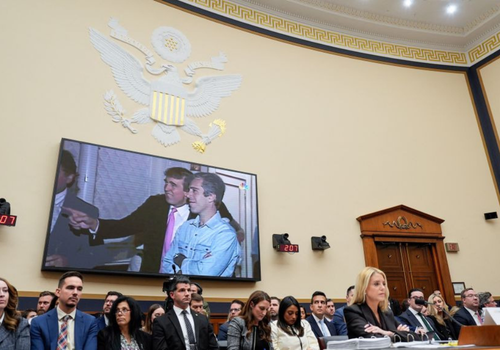
While Bondi came prepared with an arsenal of political counterattacks, not all of them landed effectively; several proved to be significant misfires that further damaged her credibility.
- The Stock Market Red Herring: Early in the hearing, Bondi made the puzzling suggestion that the Judiciary Committee should abandon its oversight function and instead focus on the surging stock market—a topic entirely outside the committee’s constitutional purview—a point a Democrat was quick to highlight and mock.
- The Balint Miscalculation: The most significant strategic blunder occurred when Bondi launched a highly personal and unwarranted attack on Democratic Rep. Becca Balint. Bondi attacked Balint for having previously voted against a resolution involving antisemitism. Balint, who is the granddaughter of a Holocaust victim, reacted with visible shock and profound outrage, shouting, “Are you serious?” before emotionally storming out of the hearing room. This moment—an attack on a member’s heritage that sparked a visceral, public reaction—exposed the recklessness of Bondi’s aggressive strategy and led to a significant loss of public goodwill.