





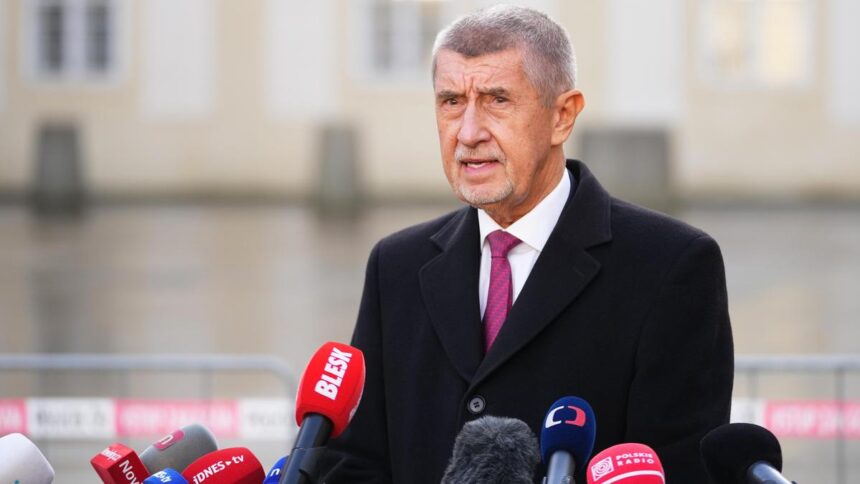
Czech Prime Minister Andrej Babis declared his support on Sunday for prohibiting social media use among children under the age of 15, joining a growing number of European nations contemplating similar restrictions.
The push for more stringent regulation of social media platforms is gaining momentum across Europe, driven by concerns over their detrimental impact on children’s development and mental health. Countries including Spain, Greece, Britain, and France are actively weighing tougher measures, following Australia’s precedent-setting decision in December to bar access to such platforms for those under 16.
“I support this measure because the experts I consult indicate it is profoundly detrimental to children. We must safeguard our young people,” Babis stated in a regularly scheduled video address shared across several of his social media accounts on Sunday. He did not elaborate on the specifics of the potential ban.
Later that day, Karel Havlicek, the government’s first deputy prime minister, confirmed on the private broadcaster CNN Prima News that the cabinet was seriously evaluating a legislative proposal for a ban. Should the government decide to proceed, Havlicek indicated that draft legislation would be introduced this year.

The preceding week saw Spain and Greece propose age restrictions on teenage social media use, reflecting a hardening European consensus against technologies often criticized for being engineered for addictiveness. The proposed Spanish measures, announced by Prime Minister Pedro Sanchez, notably provoked a strong reaction from Elon Musk, the billionaire proprietor of the X platform, formerly known as Twitter.
Currently, Britain is considering a ban modeled after Australia’s law, while French legislators are advancing a bill to prohibit social media access for children under 15.



Policymakers and regulatory bodies worldwide are increasingly scrutinizing the effects of children’s screen exposure on their cognitive and emotional well-being.