






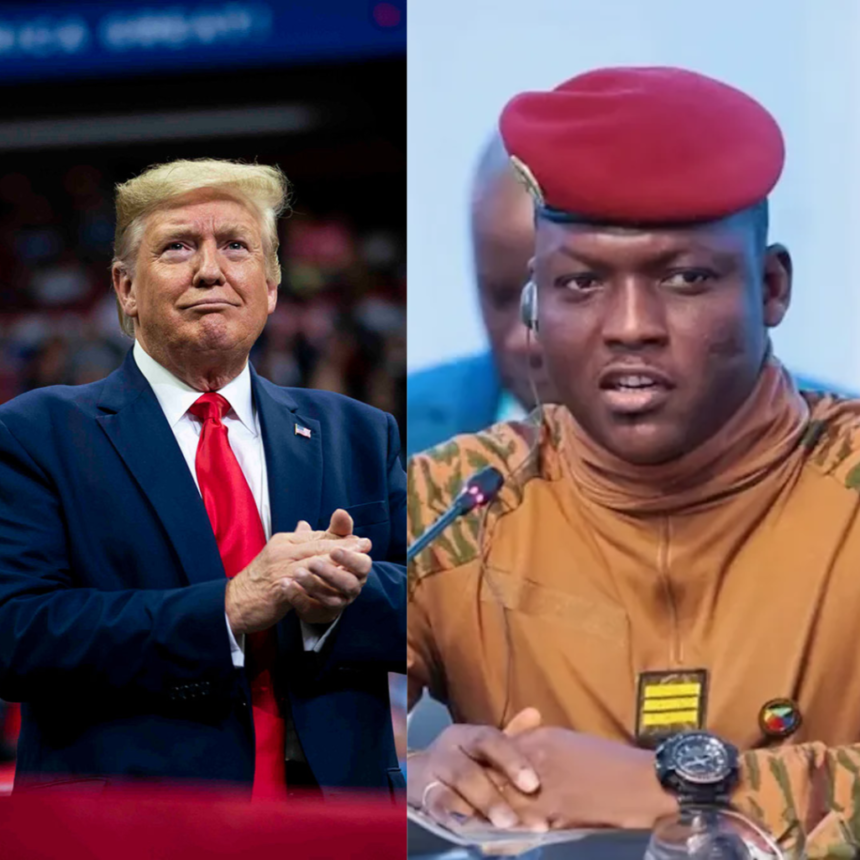
The United States has signaled a strategic recommitment to West Africa’s Sahel region, leveraging health diplomacy as a key instrument in a burgeoning geopolitical competition. This pivot is underscored by the recent signing of a $147 million health agreement with Burkina Faso, a move explicitly aimed at strengthening the nation’s healthcare infrastructure while simultaneously attempting to regain influence lost to growing Russian and Chinese engagement.
The Strategy: Health Diplomacy as a Geopolitical Tool
The agreement with Burkina Faso, currently under military rule following a coup, is more than a humanitarian gesture; it functions as a critical component of Washington’s soft-power diplomacy strategy. By focusing on fundamental human needs, specifically primary healthcare, disease surveillance, and community access, the U.S. is seeking to build grassroots support and long-term partnerships that transcend immediate political instability.
This approach addresses two core objectives:
- Stabilization: Improving health outcomes is essential for long-term stability in a region grappling with complex crises, including terrorism and climate change.
- Counter-Influence: The injection of substantial health aid provides a direct counter-narrative to the security-focused or infrastructure-driven engagements championed by rivals. It aims to foster goodwill and demonstrate the tangible benefits of a partnership with the U.S. and its development frameworks.
The $147 million investment signifies a significant financial commitment, effectively doubling as an attempt to reassert Washington’s presence and relevance in a volatile sub-region where the U.S. previously maintained a significant security footprint (including counter-terrorism operations and military training missions).
The Shifting Sands of African Sovereignty
Crucially, the success of this strategy faces regional headwinds related to sovereignty and governance. While the aid is significant, the U.S. is navigating a delicate landscape where many African governments are increasingly wary of foreign policy conditions tied to development financing.
This caution is already manifesting in pushback against established U.S. aid frameworks:


- Sovereignty Concerns: Governments, including those in Zimbabwe and Zambia, have recently raised objections to certain terms within U.S. health financing structures. Their concerns center on perceived infringements on national autonomy or the feeling that aid agreements dictate domestic policy choices.
- Demand for Revision: These nations are actively seeking revisions to existing frameworks, indicating a broader trend across the continent toward asserting greater control over partnership terms and outcomes. They are leveraging the increased competition among global powers—the U.S., China, Russia, and others—to demand more flexible, unconditional, and mutually beneficial arrangements.
The Sahel Context: Competition for Influence
Burkina Faso, along with neighboring Mali and Niger, has been a focal point for the expansion of Russian influence, often through the deployment of private military contractors (like the Wagner Group, or its successor entities) in exchange for security assistance and potentially access to mineral resources. Concurrently, China has continued its robust presence through large-scale infrastructure projects and trade deals.
The U.S. health agreement directly competes with these approaches:
| Geopolitical Actor | Primary Engagement Tool | Strategic Focus |
|---|---|---|
| United States | Health Diplomacy ($147M Agreement) | Soft power, stability, grassroots support |
| Russia | Security Assistance (PMCs) | Regime stability, resource access |
| China | Infrastructure & Trade | Economic ties, long-term resource security |
By committing substantial funds to health, Washington is attempting to fill a critical gap—human capital development and public welfare—that rivals have traditionally overlooked in their more transactional engagements. However, the ultimate efficacy of this soft-power return will depend on whether the U.S. can successfully implement the programs while respecting the growing demand for African agency and sovereignty in the modern geopolitical arena.