




Accra, Ghana – February 17, 2026
Ghana is currently charting a decisive new course for its economic future, focusing on strategic reforms within the agricultural and extractives sectors designed to maximize national value retention and secure a dominant global position in the cocoa industry. President John Mahama, spearheading this ambitious agenda, recently announced two pivotal policies: the move to finance cocoa transactions exclusively in local currency (the Ghanaian Cedi) and a resolute commitment to cease all raw mineral ore exports by 2030.
Securing Cocoa Sovereignty: The Cedi Financing Mandate
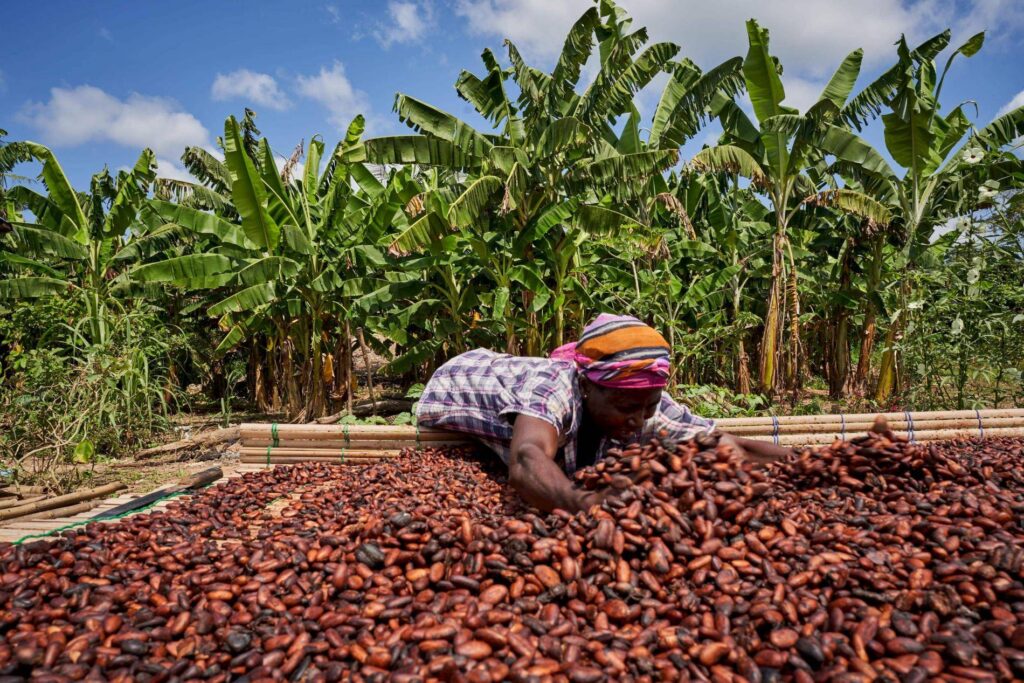
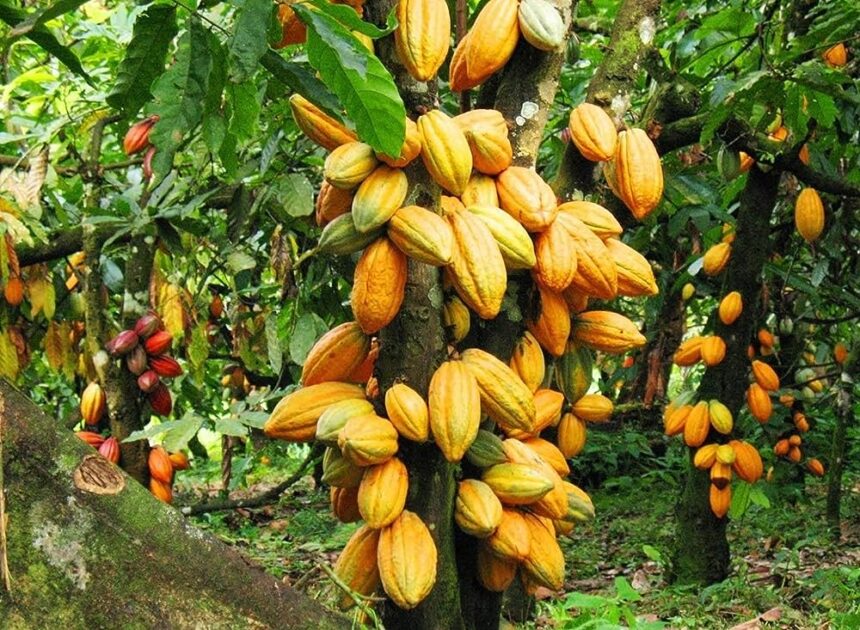
As the world’s second-largest cocoa producer, Ghana’s dependence on foreign financing for its crucial cocoa crop purchases has long been identified as a drain on national revenue and a source of currency volatility. The new policy mandates the local financing of cocoa purchases, moving away from reliance on foreign-funded syndicated loans.
The transition to local currency financing is projected to have several immediate impacts:

- Enhanced Autonomy: It grants the Ghana Cocoa Board (COCOBOD) greater flexibility and independence in managing the cocoa harvest and supply chain, reducing exposure to fluctuating international credit markets.
- Revenue Retention: Keeping financial transactions within the domestic banking system is expected to stabilize the Cedi and boost liquidity in local financial markets.
- Support for Farmers: While the specific mechanisms are still being finalized, this move is anticipated to provide more predictable and potentially higher returns to Ghana’s over 800,000 cocoa farm families, directly supporting the living income differential (LID) policy.
Cocoa Industry Statistics Update (2024/2025 Projections)
| Metric | 2023/2024 Actual (Tonnes) | 2024/2025 Projection (Tonnes) | Percentage Change |
|---|---|---|---|
| Cocoa Production | 683,000 | 850,000 | +24.45% |
| Domestic Processing Capacity | ~350,000 | ~420,000 | +20.00% |
| Global Market Share (by Volume) | 16.5% | 18.0% | +1.5 pp |
| Value of Processed Exports (YoY Growth) | +15% (Target) |
Note: Production figures are volatile due to weather patterns and disease control efforts. The projection reflects optimistic forecasts following recent government-led interventions in pest control and replanting programs.
The Value Addition Imperative: Halting Raw Mineral Exports
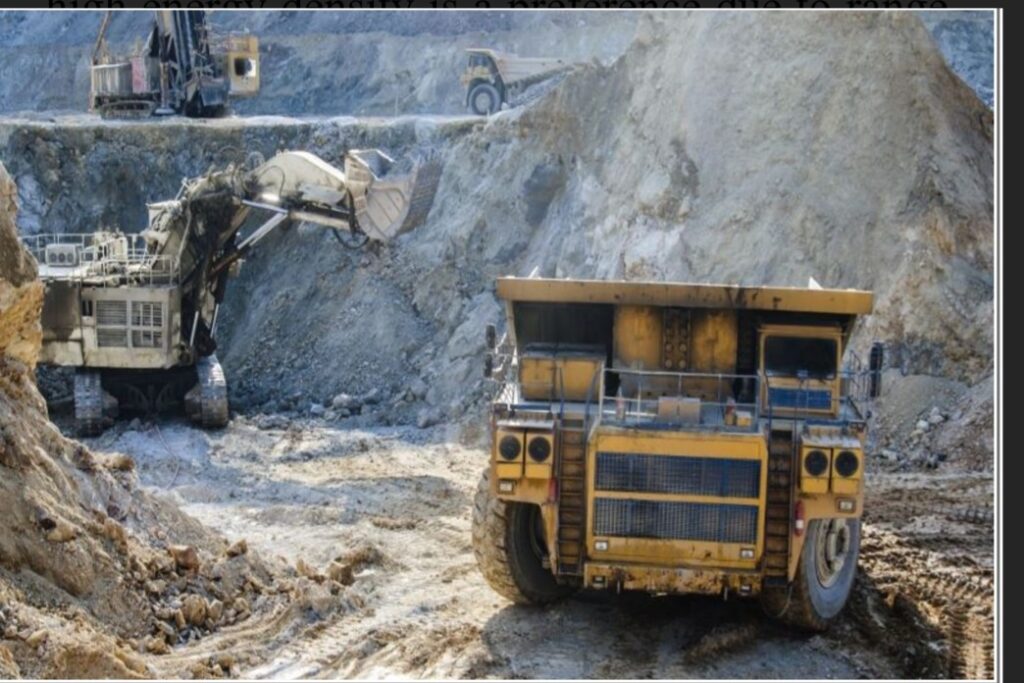
Equally transformative is the policy to halt the export of all raw mineral ores by 2030. This aggressive timeline is a clear declaration of Ghana’s intent to pivot from being an exporter of raw materials to a regional hub for mineral processing and value-added manufacturing.



The cornerstone of this plan is the rapid expansion of domestic processing capacity, particularly in gold, bauxite, and iron ore. Currently, a significant portion of Ghana’s gold—of which it is Africa’s largest producer—is exported with minimal processing. By demanding domestic refinement and processing, the government aims to:
- Capture Higher Export Value: Processed minerals, such as refined gold or semi-finished aluminum, command significantly higher prices on the international market than raw ore.
- Spur Industrialization: The establishment of large-scale processing plants will create thousands of high-skilled jobs and foster the growth of ancillary industries (e.g., chemicals, engineering, logistics).
- Sustainable Resource Management: The policy aligns with broader goals of sustainable resource management, ensuring that the nation’s finite mineral wealth contributes maximally to long-term national development goals.
The government is offering incentives, including tax holidays and subsidized utilities, to local and international firms willing to invest in new processing facilities before the 2030 deadline.
Integrated Strategy for Economic Diversification
These two major reforms signal a unified strategy to fundamentally restructure Ghana’s engagement with global markets. The shift in cocoa financing directly supports farmers and stabilizes the agricultural backbone, while the mineral policy targets the vertical integration and industrialization of the extractives sector.
The successful implementation of these policies hinges on Ghana’s ability to secure necessary domestic capital, upgrade infrastructure, and rapidly develop a skilled labor force capable of operating sophisticated processing plants. If executed successfully, President Mahama’s reforms are poised to propel Ghana into a new era of enhanced economic sovereignty, significantly boosting Gross Domestic Product (GDP) growth derived from value-added exports rather than volatile commodity prices.