






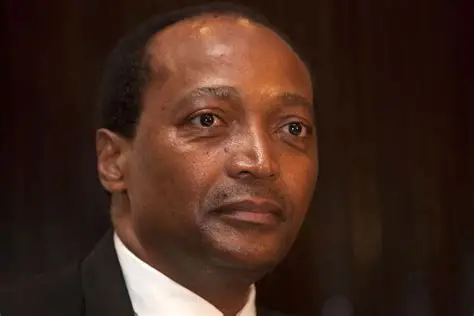
South African billionaire Patrice Motsepe, renowned for his role as founder and former executive chairman of African Rainbow Minerals (ARM) and current CAF President, has become the subject of intense speculation regarding a potential bid for the presidency of the African National Congress (ANC). Despite Motsepe’s public denials, recent developments—most notably his retirement from the executive chairmanship role at ARM—have fueled persistent rumors that he may be positioning himself for a move into political leadership. This report offers a speculative analysis of the implications, opportunities, and challenges associated with such a candidacy, should he ultimately decide to run.
The Basis of Speculation
Business Transition
The most concrete trigger for the current speculation is Motsepe’s recent transition from the executive chairmanship of ARM. While framed as a succession planning measure, such a definitive step away from day-to-day corporate leadership of a major entity is often interpreted in political circles as clearing the way for a demanding public role. The move suggests a readiness to dedicate significant time and energy to a new, high-stakes endeavor, which the ANC presidency certainly represents.
Internal ANC Support
Reports indicate that some factions and members within the ANC are supportive of a Motsepe candidacy. This support is reportedly driven by a desire for a leader who possesses proven business acumen and could potentially address South Africa’s critical economic challenges. Specifically, proponents believe Motsepe could inject new momentum into industrialization efforts and provide credible solutions to the persistently high rates of unemployment.
Speculative Analysis of a Motsepe Candidacy
Potential Strengths and Appeal
| Strength | Implication for ANC/South Africa |
|---|---|
| Business Acumen | Ability to translate corporate efficiency and strategic planning into economic policy, potentially boosting growth and investor confidence. |
| Wealth and Independence | His personal wealth could inoculate him against common allegations of corruption and potentially allow him to fund his campaign without heavy reliance on compromised sources. |
| Focus on Industrialization | Direct experience in the mining sector suggests a practical understanding of how to drive large-scale industrial projects and create sustainable jobs. |
| “New Blood” Narrative | As an outsider to traditional ANC power structures, he could appeal to voters and members disillusioned with career politicians and endemic internal conflicts. |
Major Challenges and Political Hurdles
Motsepe’s candidacy would face significant structural and historical challenges within the ANC:


1. Lack of an Anti-Apartheid Background
Analysts have highlighted that if elected, Motsepe would be the first ANC president in the democratic era without an anti-apartheid activist background or history of imprisonment. This lack of struggle credentials is a profound historical departure and could be weaponized by political rivals. The ANC often places a high value on this legacy, and Motsepe’s ascent could be seen by some as diluting the party’s historical identity and connection to its revolutionary past.
2. Association with Capital
While his business success is a strength to some, his billionaire status and deep ties to capital could be a severe liability in a party that bases its ideology on the national democratic revolution and historically champions the working class. Opponents could portray him as an elitist, disconnected from the daily struggles of the poor, or as a puppet of white monopoly capital, regardless of the veracity of such claims.
Related News


3. Internal ANC Factionalism
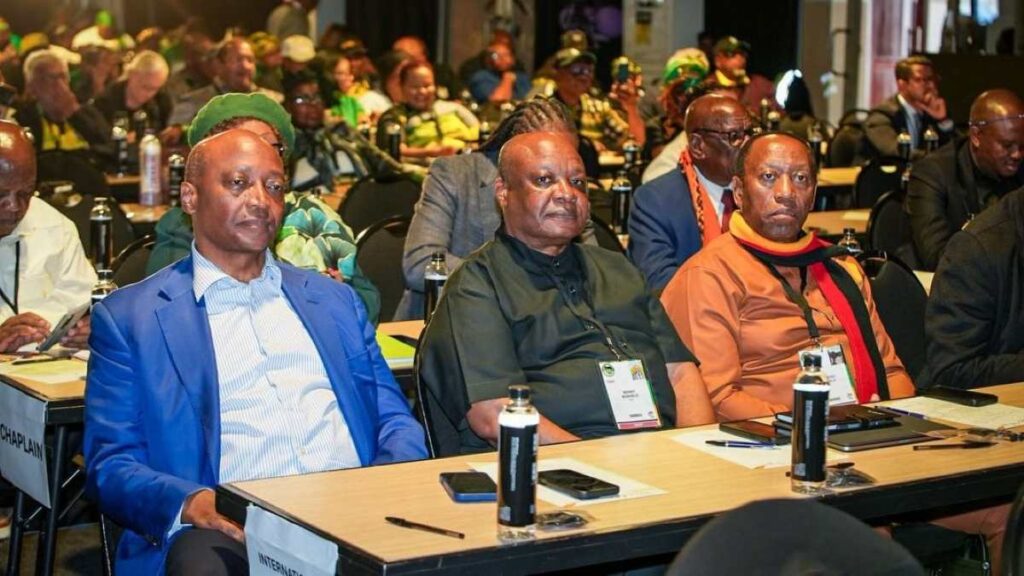
The ANC is deeply divided along factional lines. Motsepe would need to navigate this complex political terrain, winning the support of major factions (such as the traditionalists, reformists, and radical economic transformation proponents) without becoming beholden to any one group. His lack of a political base within the party machinery makes this task exceptionally difficult.
4. Policy Alignment and Ideology
Motsepe would need to articulate a clear vision that aligns with the broad policy framework of the ANC, while simultaneously proposing credible reforms. His business-first approach might clash with the ANC’s traditional socialist leaning, forcing him to walk a fine ideological tightrope.
Impact on South Africa’s Political and Economic Landscape
Economic Outlook
A Motsepe presidency could potentially trigger a positive market reaction, as investors tend to favor leaders with a proven track record of economic success. The core message of prioritizing industrialization and tackling unemployment could translate into focused economic policy, potentially leading to increased foreign direct investment (FDI) and infrastructure development. However, failure to deliver rapid results could lead to quicker disillusionment, given the high expectations attached to a wealthy, successful candidate.
Political Dynamics
Motsepe’s entry would fundamentally disrupt the current political equilibrium within the ANC. It would force traditional candidates to sharpen their economic proposals and address the perception that the party lacks competent managerial leadership. Furthermore, it could accelerate the generational shift within the party, signaling a willingness to move beyond leaders defined solely by the anti-apartheid struggle and towards those defined by modern economic performance.


Conclusion
Patrice Motsepe’s potential candidacy for the ANC presidency presents a fascinating hypothetical scenario. His business success offers a potent narrative for economic recovery and job creation, resonating with a public weary of political stagnation. However, the path to the ANC presidency is fraught with political peril, especially for an outsider lacking traditional struggle credentials. Should Motsepe decide to run, his campaign would test the ANC’s willingness to evolve, potentially ushering in an era of leadership defined by economic performance rather than historical association, though this would necessitate overcoming significant ideological and structural opposition within the party.