






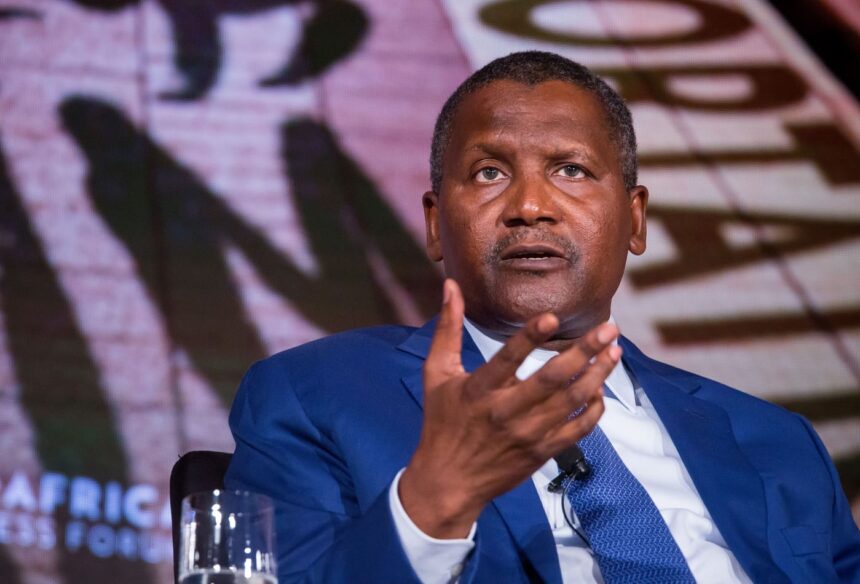
Nigerian industrial titan Aliko Dangote has issued a stark warning to the federal government, calling for an urgent national retreat to confront the nation’s perennial and deepening electricity crisis. Speaking forcefully at the launch of the National Industrial Policy 2025, Dangote asserted that the chronic instability of the power sector is the “single biggest threat” to Nigeria’s aspirations for industrial growth and economic diversification. His plea comes amid heightened manufacturer anxiety following recent nationwide outages triggered by gas maintenance disruptions, casting a heavy shadow over the country’s $500 billion economy.
The Economic Cost of Darkness
Dangote’s insistence on stable electricity and robust protection for local industries is not merely a corporate grievance; it is a critical diagnosis of the structural impediments to Nigeria’s economic potential. The persistent failure of the power sector, characterized by grid collapses, inadequate generation capacity, and infrastructural decay, has a multifaceted and devastating impact on the Nigerian economy:
1. Crippling Industrial Competitiveness
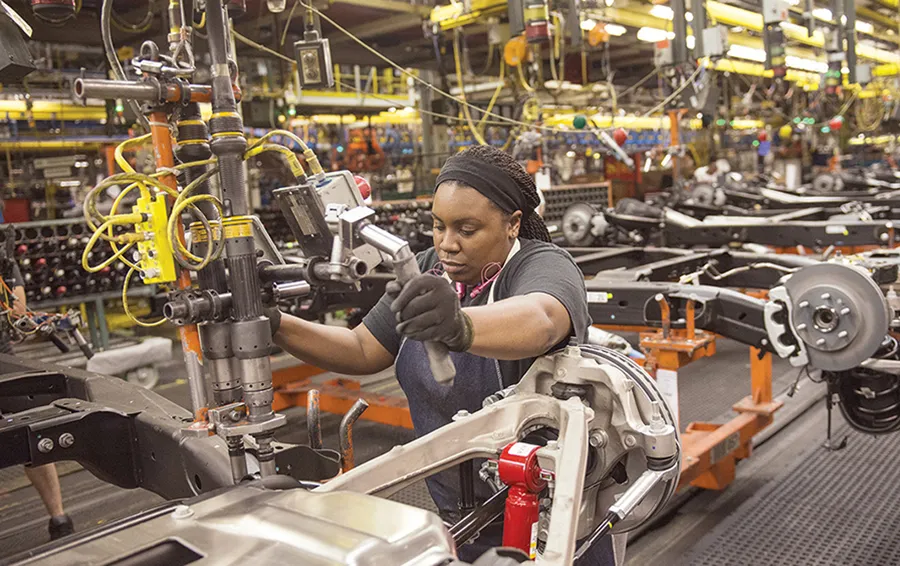
The reliance of Nigerian manufacturers on self-generated power—typically expensive, polluting diesel or gas generators—translates directly into prohibitive operating costs. This is often referred to as the “cost of self-provision.”
| Cost Component | Impact on Business Operations | Economic Consequence |
|---|---|---|
| Fuel Expenses | High recurring costs for diesel/gas procurement. | Inflates manufacturing costs, leading to higher final goods prices and reduced global competitiveness. |
| Generator Maintenance | Frequent servicing, spare parts procurement, and operational downtime. | Reduces efficiency, drains capital expenditure from core business expansion, and adds complexity to logistics. |
| Productivity Loss | Frequent outages disrupt production cycles and damage sensitive equipment. | Wastes raw materials, increases lead times, and lowers overall factory output and capacity utilization. |
| Investment Deterrent | Unreliable infrastructure signals high risk to potential foreign and domestic investors. | Stunts job creation, limits technology transfer, and prevents scaling of local industries. |
The inability to compete effectively on price in regional and international markets fundamentally undermines the goals of the new Industrial Policy 2025, which aims to position Nigeria as an export-oriented manufacturing hub.
2. Fueling Inflation and Poverty
The elevated operating costs borne by manufacturers are invariably passed on to consumers, serving as a powerful driver of domestic inflation. For an economy already grappling with high food and commodity prices, the power crisis acts as a multiplier, eroding the purchasing power of the average Nigerian and deepening income inequality. Furthermore, small and medium enterprises (SMEs), which form the backbone of job creation, are often the first victims of rising energy costs, leading to business closures and a contraction of the labour market.
3. Gas and Energy Value Chain Disconnect
The recent disruptions linked to gas maintenance highlight a deeper systemic issue: the lack of resilience and coordination across the nation’s energy value chain. Despite Nigeria possessing vast natural gas reserves, the mechanism for supplying gas to thermal power plants remains fragile. Issues of pipeline security, infrastructure limitations, and inadequate pricing mechanisms often choke the supply of feed gas, instantly translating into national power shortages. This paradox—a major gas producer unable to fuel its own power sector—underscores the necessity of a coordinated “emergency retreat” to harmonize gas and power policies.



The Path Forward: Stability and Protection
Dangote’s dual recommendation—stable electricity and stronger protection for local industries—represents a coherent strategy for unlocking the nation’s latent potential.
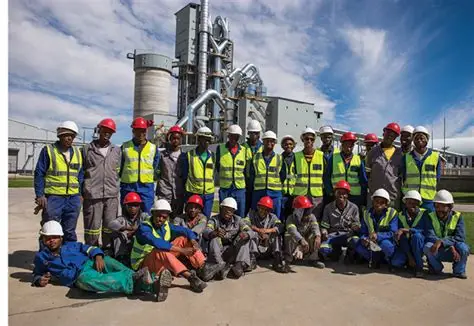
1. The National Retreat as a Catalyst: An emergency national retreat, as proposed, must go beyond mere political rhetoric. It requires a focused, multi-stakeholder gathering involving power sector operators, gas suppliers, manufacturers, regulators, and financiers. The objective must be to formulate a time-bound, actionable plan for immediate infrastructural stability and long-term sector investment. This includes resolving legacy debts in the power sector, addressing gas supply bottlenecks, and accelerating private sector investment in generation and transmission infrastructure.
2. Strategic Industrial Protection: While complete protectionism is often counterproductive, targeted measures to safeguard nascent local industries are crucial. This protection should be conditional, coupled with strict performance targets related to quality, price competitiveness, and backward integration. Without a stable power supply, however, protectionist policies risk merely shielding inefficient, high-cost domestic production, thereby penalizing local consumers.
In conclusion, Dangote’s urgent call is a siren for economic policymakers. The Nigerian economy cannot realize its $500 billion potential while its industrial sector remains perpetually hobbled by darkness. Resolving the electricity crisis is not an optional infrastructural upgrade; it is the fundamental prerequisite for job creation, inflation control, investment attraction, and the successful execution of the National Industrial Policy 2025. The national retreat must therefore be treated with the seriousness of an economic security emergency.