







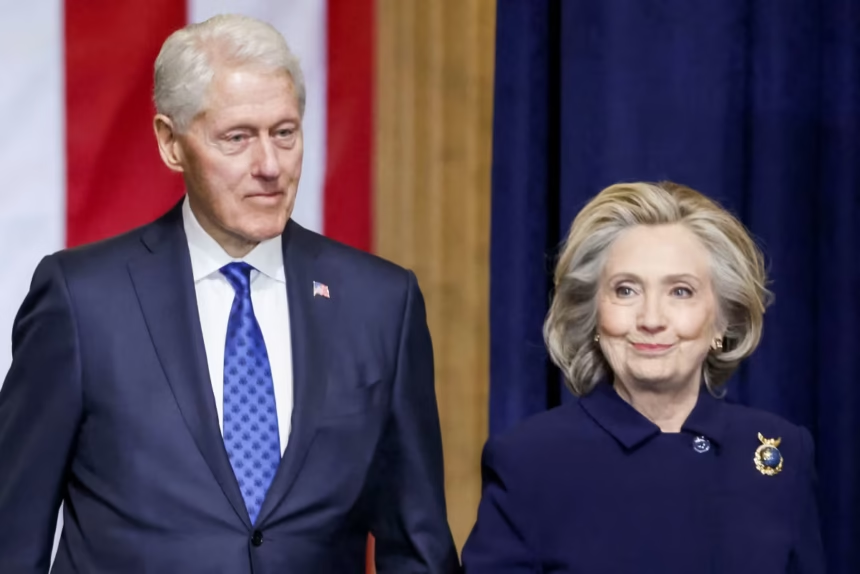
The congressional testimony of former President Bill Clinton and former Secretary of State Hillary Clinton regarding the Jeffrey Epstein scandal sets a potentially regrettable precedent for President Donald Trump.
Bill Clinton, 79, is scheduled for a deposition on Friday. This follows the closed-door testimony on Thursday of his wife, Hillary Clinton, who characterized the Republican-led House Oversight probe as a political maneuver to protect President Trump.
Neither the Clintons nor Trump face criminal charges in the Epstein matter. However, both the ex-President and the current President were acquainted with Epstein and are frequently mentioned in Justice Department files related to the accused sex trafficker.The GOP’s Risky Political Theater
The aggressive effort by Trump’s allies to involve the high-profile Clintons in the investigation was always going to create intense political drama. Yet, their testimony risks backfiring on the Republican Party in two key ways:


- Fueling the Saga: The Clintons’ involvement injects new momentum into the Epstein story, which the White House has been attempting, without success, to suppress for months.
- Raising Uncomfortable Parallels: The required testimony establishes a standard that could be turned against Trump and his associates.
For example, if being named in the Epstein files necessitates a subpoena, critics question why prominent Republicans also mentioned—such as Commerce Secretary Howard Lutnick—have not been called to testify. While no criminal wrongdoing is alleged against Lutnick, the inconsistency in issuing subpoenas is noted.
Furthermore, Bill Clinton’s past contacts with Epstein are certain to be probed. The question of a double standard arises if Trump, also frequently mentioned in the files, is not compelled to testify under oath.



Hillary Clinton’s appearance—in which she denied having information about Epstein’s conduct—also establishes a model of a spouse being questioned about a husband’s links to the sex trafficker. This could invite speculation about whether First Lady Melania Trump might possess similar insights into the times her husband and Epstein socialized. While compelling a sitting President’s testimony is a constitutional battleground, the First Lady lacks a formal constitutional role, suggesting fewer legal barriers to a summons. Precedent and Potential Future Liability for Trump
A former president testifying before Congress is not unprecedented, with figures like John Tyler and Theodore Roosevelt having appeared as witnesses. However, previous testimonies generally focused on policy, whereas Clinton’s touches on highly personal matters.
Trump refused a subpoena from the House committee investigating the January 6, 2021, Capitol riot, successfully using a constitutional dispute over separation of powers to block the summons until the committee’s work concluded.
Democrats have signaled that a regained House majority in the November midterms would lead to a deeper scrutiny of Epstein’s history. Given the current political environment, they may seek to compel Trump’s testimony either before or after his term ends.


Ironically, Trump seemed to empathize with the Clintons, his long-time rivals, being forced to give depositions. The precedent of compelling testimony from a former president on matters without clear separation of powers issues, and the possibility of family members being hauled before a committee, could become alarming liabilities for him, especially with the potential for a Democratic House majority next year.
House Oversight Committee Chairman James Comer has defended the probe against accusations of partisanship, noting testimony has been taken from former Trump administration officials, including former Labor Secretary Alex Acosta and former Attorney General Bill Barr. Democrats, however, accuse Comer of orchestrating a partisan shield for Trump. Nonetheless, the patterns set by the Clintons’ testimony may ultimately become a political liability for Trump by intensifying public intrigue over Epstein. The Clintons Bow to Pressure
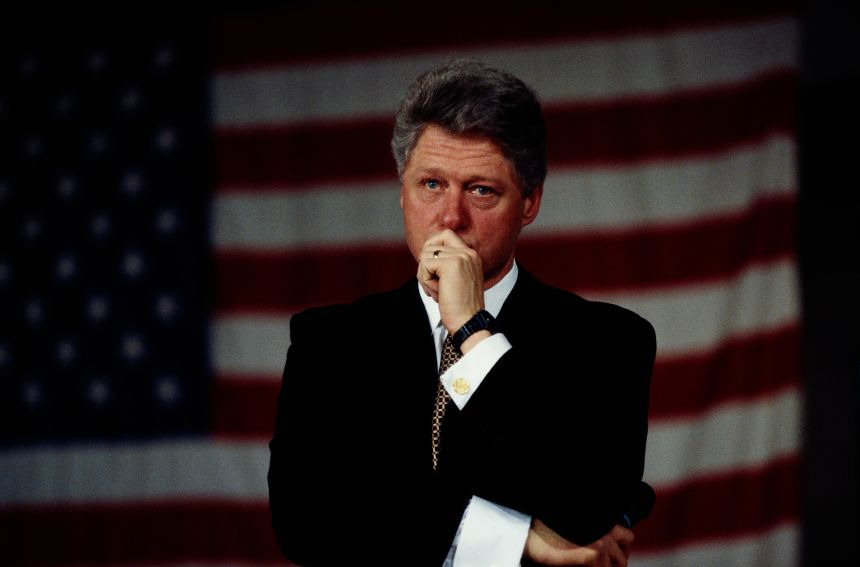
Initially, the Clintons fought the subpoenas, viewing them as a partisan distraction from Trump’s links to the files. They reversed course to avoid being held in contempt of Congress, a risk compounded by the expectation that some Democrats might join Republicans in voting for sanctions.
The depositions, held near their home in Chappaqua, New York, demonstrate the self-reinforcing momentum of the saga, years after justice was denied to Epstein’s alleged victims. Demands for accountability have already led to high-profile resignations in legal, business, and entertainment fields. In the UK, former associates of Epstein, including Andrew Mountbatten-Windsor and former Cabinet minister Peter Mandelson, were arrested on suspicion of misconduct in public office; both deny the allegations. Bill Clinton’s Extraordinary Coda
Bill Clinton’s deposition marks another extraordinary chapter in a political career defined by scandal and remarkable comebacks. It reignites a decades-long political feud with Republicans, a cycle of confrontation in which the former president often prevailed.
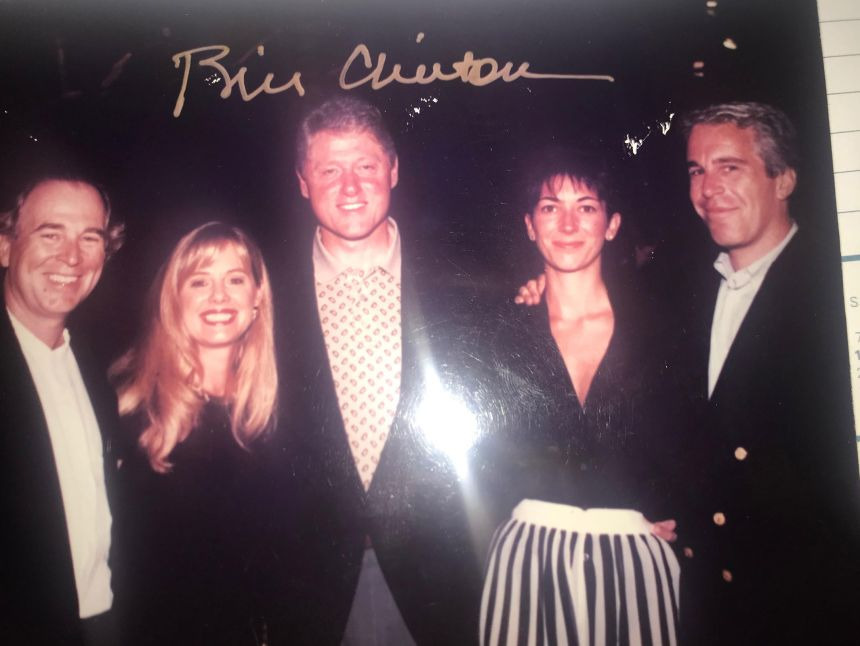
He is expected to be questioned about photos with Epstein and his now-jailed accomplice Ghislaine Maxwell, as well as his flights on Epstein’s jet at least 16 times between 2002 and 2003. Clinton denies knowledge of Epstein’s crimes and asserts he cut ties with him well before his 2019 federal charges.
Democrats anticipate the former president’s testimony will cover more ground than his wife’s.
The deposition is the latest moment of public scrutiny of Bill Clinton’s private life, a trend stretching back to his time as governor and culminating in his impeachment over the Monica Lewinsky affair. Although he was acquitted, the power dynamic in the affair has been viewed more harshly in the wake of the #MeToo movement and the revelations about Epstein’s influential circle.
A veteran of multiple legal and political battles, Clinton was known as a nimble witness, yet testimony under oath almost ended his career—his 1998 denial of sexual relations with Lewinsky formed a cornerstone of his impeachment. His Friday testimony will be watched to see if he retains his famed political and linguistic dexterity to withstand GOP attacks, especially following recent health challenges. Hillary Clinton: ‘I have nothing to add.’
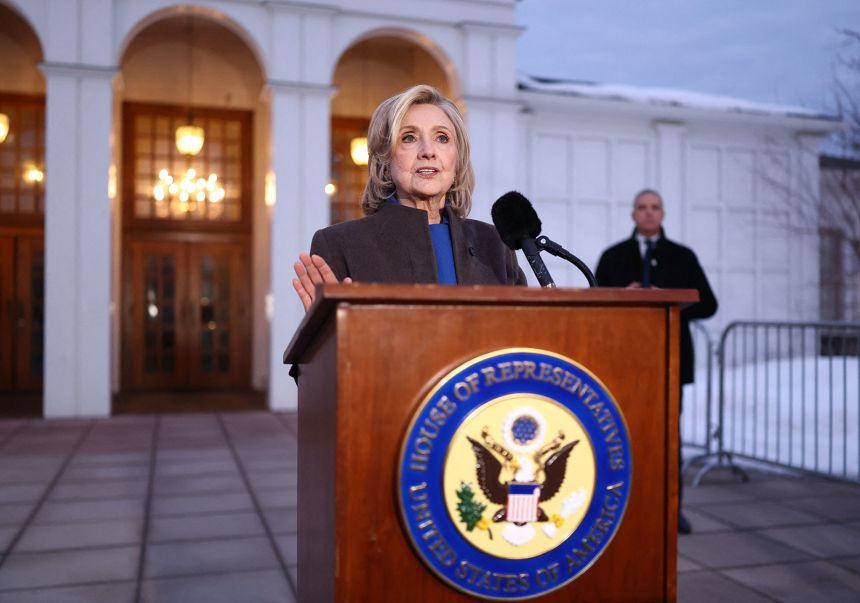
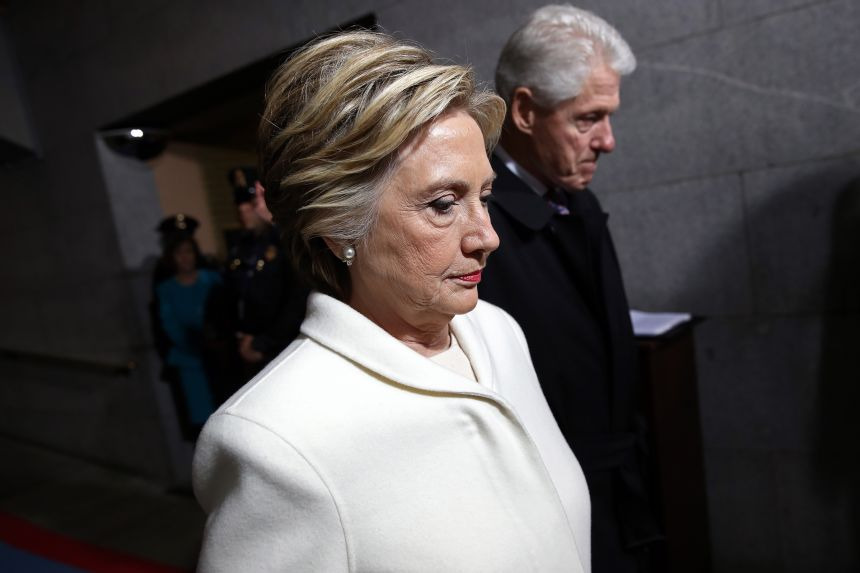
Hillary Clinton testified Thursday that she had no information regarding Epstein’s alleged crimes, accusing Republicans of a false show of transparency. “I had no idea about their criminal activities,” she stated, adding, “I do not recall ever encountering Mr. Epstein. I never flew on his plane or visited his island, homes, or offices. I have nothing to add to that.”
In a counter-attack, she accused Comer of political targeting and demanded the panel question Trump, asking, “What is being held back? Who is being protected? And why the cover-up?”
Reverting to a familiar political tactic, the former Secretary of State stated she had no answers to GOP questions about her husband’s relationship with Epstein. Comer reported that she replied with variations of “I don’t know, you’ll have to ask my husband” over a dozen times, emphasizing their continued interest in Bill Clinton’s testimony.
Video of the couple’s separate depositions is expected to be released within days, bringing one of modern politics’ most compelling double acts back into the public spotlight—a return both Clintons undoubtedly would have preferred to avoid.