






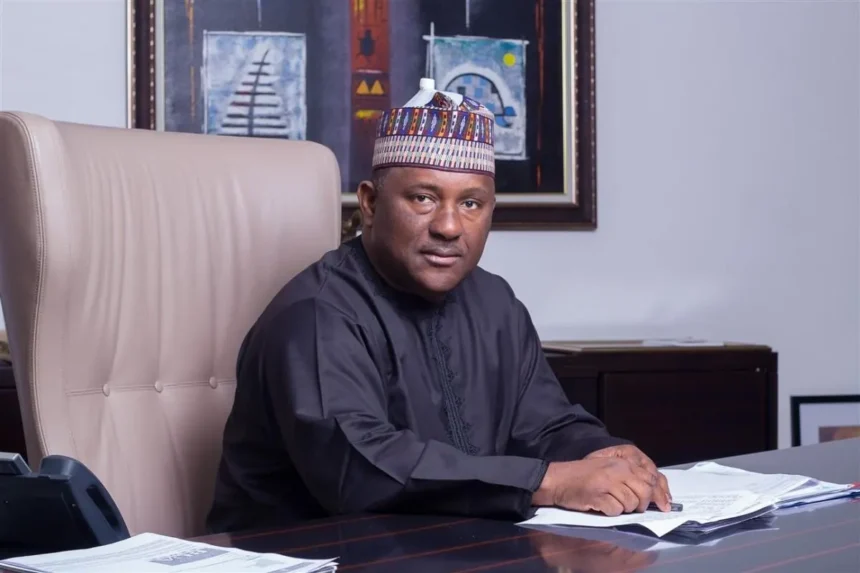
The landscape of African wealth and business influence has been dramatically reshaped, highlighted by the remarkable ascent of Nigerian industrialist Rabiu Abdulsamad. The founder and chairman of BUA Group has officially cemented his position as Africa’s fourth-richest person, commanding a staggering net worth of $11.3 billion, according to the latest figures released by Bloomberg’s Billionaire Index. This financial milestone sees him surpass Egyptian magnate Naguib Sawiris and places him 302nd on the global wealth ranking, underscoring a significant victory for West African enterprise.
The Engine of Growth: BUA Foods’ Performance
Abdulsamad’s rapid financial acceleration is primarily attributed to the stellar performance of his publicly listed subsidiary, BUA Foods Plc. The company, a dominant force in the fast-moving consumer goods (FMCG) sector, particularly in sugar, flour, and pasta production, reported exceptional fiscal results. During the last fiscal year, BUA Foods Plc achieved a massive 91% increase in profit after tax, a clear indicator of successful strategy execution and robust demand dynamics across the continent.
This impressive growth trajectory is a result of BUA Foods’ aggressive vertical integration and strategic market positioning. The company has skillfully navigated volatile global supply chains by investing heavily in local production capacity, thereby strengthening its competitive edge and insulation from external shocks.
Strategic Partnerships and Infrastructure Investment
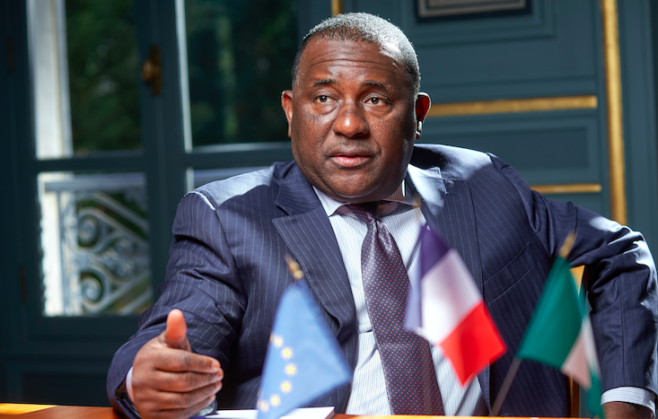
Beyond the financial statements, the underlying strength of the BUA Group lies in its sustained commitment to strategic infrastructure development and expansive partnerships. The group, which operates across key sectors including cement, sugar, and real estate, has consistently focused on enhancing operational capacity and extending its market reach both within Nigeria and across the wider African sub-region.

Recent initiatives have focused on:
| Strategic Area | Key Actions | Impact on Growth |
|---|---|---|
| Infrastructure | Investment in proprietary port and logistics facilities; expansion of processing plants. | Reduced operational bottlenecks; faster route to market; increased production scale. |
| Market Expansion | Development of new distribution channels across West Africa. | Broader consumer base; revenue diversification; market leadership reinforcement. |
| Partnerships | Engagements with international technology and equipment suppliers. | Adoption of high-efficiency production technologies; improved product quality and consistency. |
These advancements are not isolated successes but reflect a broader trend among leading African industrialists: leveraging local resources and large-scale infrastructure investments to capture market share and drive continent-wide growth.



Implication for African Entrepreneurship
Abdulsamad’s achievement is more than a personal financial victory; it serves as a powerful signal of the maturing entrepreneurial ecosystem in Africa. His ascent, driven by manufacturing and food production—core pillars of sustainable economic development—validates the potential for scaled industrialization within the continent.
The successful public listing and subsequent performance of BUA Foods Plc on the Nigerian Exchange Group (NGX) provides a crucial case study for other African entrepreneurs seeking capital and institutional validation. It demonstrates that strategic focus, coupled with significant capital investment in critical sectors, can lead to globally recognized wealth creation, effectively shifting the narrative from solely resource-extractive wealth to value-added industrial output.
As Africa continues to urbanize and its middle class expands, the demand for staple foods and locally manufactured goods will intensify. Rabiu Abdulsamad and the BUA Group are exemplary of the kind of indigenous leadership poised to capitalize on this demographic and economic dividend, paving the way for a new generation of African billionaires and business pioneers.